


Choosing a Market for Your Farm
Growing a great crop is only half the job. The other half is figuring out where—and how—you are going to sell it. Many of us farmers enjoy this as much as shopping at the mall or posting on social media at the end of a long day.
For small and medium-sized farms in Minnesota and Wisconsin, there are more options than simply selling a harvest to the first available buyer. Farmers markets, on-farm sales, online ordering, wholesale accounts, restaurants, and value-added products can all play a role. The key is finding the combination that fits your farm, your customers, and your available time and labor.
Start With the Product—and the Customer
Today's discussion may be simple though always good to go back to the basics.
Before choosing a sales avenue, ask a simple question: Who is most likely to buy what I produce?
A family looking for fresh vegetables every Saturday has different needs than a restaurant buying 50 pounds of tomatoes. A customer buying a jar of jam may be interested in the story behind your farm, while a grocery store is going to care about consistency, packaging, pricing, and reliable supply.
University of Minnesota Extension recommends looking at both your production costs and the costs of marketing—including transportation, market fees, packaging, labor, and payment processing. A product that looks profitable at the farm gate may not be profitable after all the costs of getting it to the customer are included.

A great read or listen is a book called Profit First by Mike Michalowicz. This book is really helpful at assessing cost for products and how to insure you're charging enough AND not only covering your cost but profiting from all of your hard work.
Farmers Markets: Build Customers & Your Brand
Farmers markets can be an excellent starting point for smaller operations. They allow you to meet customers face-to-face, see what people are interested in buying, test different products and prices, and build a loyal customer base.
The challenge is labor. There is the booth fee, preparation, loading, driving, setup, selling, and cleanup. If you spend eight hours getting $500 worth of product to market, you need to consider whether that time is generating enough return.
One way to make markets work better is to use them strategically. Feature your best products, collect customer contact information, promote your farm's story, and use the market to build customers who may later purchase through your website or farmstand.
On-Farm Sales: Let the Customer Come to You
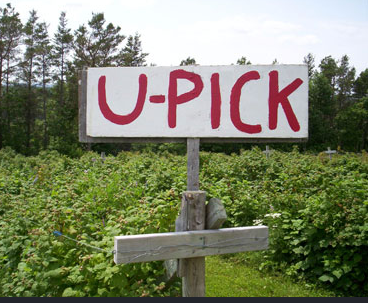
Farmstands, scheduled farm pickups, U-pick operations, and direct farm sales can eliminate much of the travel involved with farmers markets.
This model works especially well when your farm is accessible and you have a product people are willing to make a trip for. A simple roadside stand can be effective, but so can a more organized system where customers place an order online and pick it up at the farm on a designated day.
The biggest barrier is often getting people to know you are there. Consistent social media, email lists, roadside signage, and word-of-mouth can make a huge difference. Minnesota Extension notes that farmstands can reduce labor and travel compared with some other direct-marketing approaches.
One of the major things to consider is the liability insurance you'll need If hosting a U-Pick or events on the farm.
Here's a great place to start if Agrotourism is the avenue you'd like to explore: https://farmcommons.org/resources/articles/agritourism-legal-basics/
Online Sales: Turn Your Farm Into a Storefront

A website or online ordering system can allow customers to see what is available, place orders, and choose pickup or delivery.
You don't necessarily need a complicated online store. A simple website, weekly availability list, online order form, or pre-order system can be enough to start.
The biggest advantage is convenience and predictability. Instead of bringing everything to market and hoping it sells, you can harvest or prepare based on orders.
The barriers are technology, keeping inventory current, processing payments, and communicating clearly with customers. Start simple and make sure the system saves you time rather than creating another job. There are many great farmer made online stores that will run everything for you, create newsletters from the info you give them and help you manage everything. Here's one we've tried and love: www.gofarmhand.com
Wholesale: More Volume, Less Selling

Wholesale can open doors to grocery stores, restaurants, food hubs, schools, institutions, and other businesses. The advantage is volume: you may be able to move substantially more product with fewer individual transactions. Many local restaurants have made a big shift in wanting to work with local producers.
The tradeoff is usually a lower price per unit and higher expectations. Wholesale customers may require consistent quantities, packaging, delivery schedules, food-safety documentation, and reliable quality.
For a small farm, you don't necessarily have to jump straight into large retail accounts. Start with a few restaurants, a local store, or another business that fits your scale.
Don't Overlook Value-Added Products
Sometimes the best way to sell a harvest is to change the product.
Tomatoes can become sauce. Apples can become cider. Berries can become jam. Herbs can become dried blends. Grain can become a baking mix. A lower-grade or surplus crop may have an entirely different value when turned into something customers are willing to pay more for.
Value-added products can extend your selling season and help reduce waste, but they also bring additional considerations: processing equipment, packaging, labeling, shelf life, food-safety requirements, and potentially licensing or inspections. Requirements vary by product and by state, so check with the Minnesota Department of Agriculture or Wisconsin resources before investing in a new product line.
The Best Answer May Be a Combination
You don't have to choose just one market.
A small farm might sell premium produce at a Saturday farmers market, offer surplus through an on-farm stand, take weekly pre-orders online, and sell larger quantities of certain crops to a local restaurant.
The goal isn't simply to sell everything you grow.
The goal is to find the most profitable and manageable way to move your products while building a customer base for the future.
Before committing to a new market, ask yourself:
What will it cost me to sell this product?
How much labor will it require?
How consistent can my supply be?
What does my customer actually want?
And, most importantly, will the final price leave enough profit to make it worth doing?
Start small. Track the numbers.
Learn what your customers respond to.
Then expand the channels that work.
Your harvest has value. The right marketing strategy is what helps you capture it.
Step by step, you can work your way towards a profitable, sustainable out source that helps you reach all of your goals and allows you do care for the land-and not just for free!


Comments